
Why Ibrahim Mahama, Ghana’s Artist from Tamale, Tops ArtReview’s Power 100
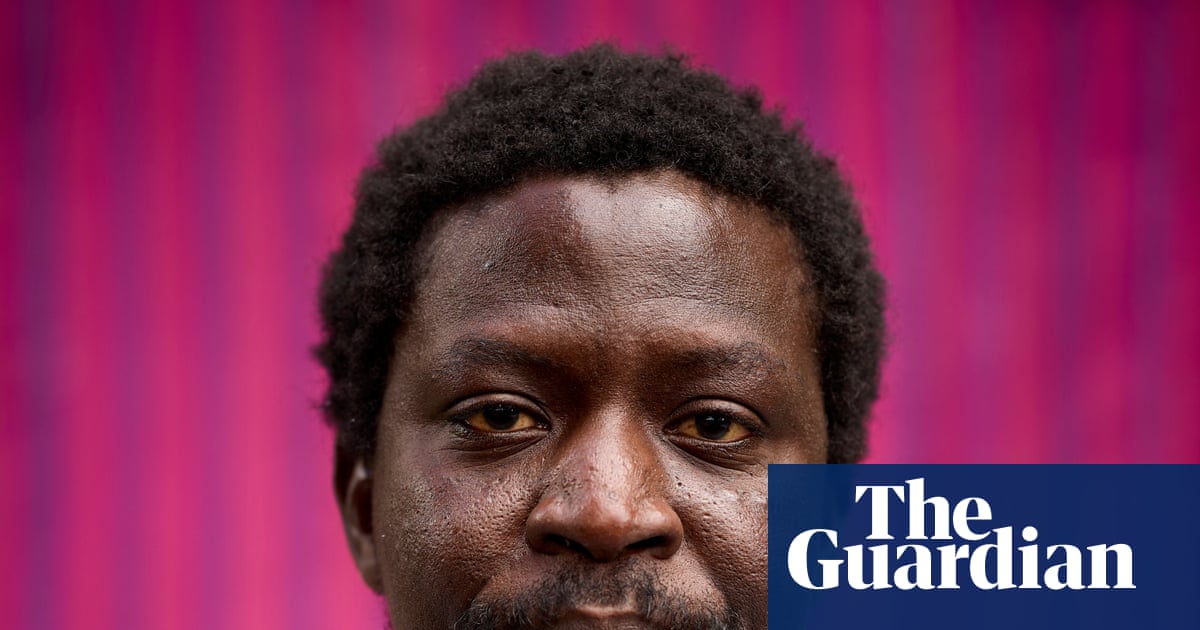
Ghanaian artist Ibrahim Mahama just became the first African to claim the top spot on ArtReview’s 2025 Power 100 list, picked by 30 experts worldwide. The Guardian reports he learned about the list back in 2011 as a student at Kwame Nkrumah University of Science and Technology in Ghana, when Ai Weiwei held the spot. Mahama, based in Tamale in northern Ghana, said it feels humbling, especially since Ghana often got sidelined in art talks.
His Background and Practice
Mahama builds large installations from scrap like jute sacks from Ghana’s cocoa trade, old hospital beds, train parts, and textiles stained with engine oil. These pieces trace global trade, colonialism, labor, and waste. For example, in his new show at Kunsthalle Wien, a diesel locomotive bought by Ghana through IMF loans from Germany and the UK sits on thousands of headpans used for carrying goods, per ArtReview’s profile.
He’s draped buildings in stitched fabrics, like 2,000 square meters of pink cloth over London’s Barbican—sewn on a Ghanaian football field—and more recently Kunsthalle Bern and MoCA Skopje. At Edinburgh’s Fruitmarket last year, his Songs About Roses used Ghana’s colonial railway history; Jonathan Jones in The Guardian called it as powerful as works by William Kentridge or Anselm Kiefer.
Reasons for Power 100 #1
ArtReview editor Mark Rappolt points to a shift in art’s power centers toward places like the Middle East and Africa. Mahama ranks above Sheikha Al-Mayassa bint Hamad bin Khalifa Al-Thani of Qatar Museums at #2 and last year’s #1, Sheikha Hoor al-Qasimi of Sharjah Art Foundation at #3. Others in the top 10: Wael Shawky (#4), Ho Tzu Nyen (#5), Amy Sherald (#6), Kerry James Marshall (#7), Saidiya Hartman (#8), Forensic Architecture (#9), and Wolfgang Tillmans (#10).
Beyond his art, Mahama invests gallery profits, like from White Cube and Apalazzo, back into Tamale. He founded the Savannah Centre for Contemporary Art (SCCA) in 2019, a 900-square-meter spot for shows, residencies, library, archive, and studios. There’s also Red Clay Studio, with old planes and trains for workshops, and Nkrumah Volini. SCCA hosted shows like The Writing’s on the Wall curated by Robin Riskin and a collaboration with Michael Armitage’s Nairobi institute.
In an ArtReview interview, Mahama calls himself a redistributor. He draws from Kwame Nkrumah’s push for Ghana’s industry and food systems, wrecked by a 1966 coup. His spots host kids’ workshops, student projects, and locals, turning art sales into community hubs as museums struggle worldwide.
What He Says About It
- “For me to be part of this, especially coming from a place like Ghana… is quite humbling,” Mahama told The Guardian. He wants young Ghanaian artists to know they’re central, not sidelined.
- On residue in his work: Bringing railway wood and British-era chairs to a London arts space sparks talks on extraction history, he said in the interview.
- Institutions as “archaeological truth,” per the interview title. It mixes memory, labor, and today’s trade.
Rappolt notes Mahama acts as community member, not lone genius, running local programs amid global changes.