
Shigeru Ban Earns 2026 AIA Gold Medal for Paper Structures and Disaster Aid
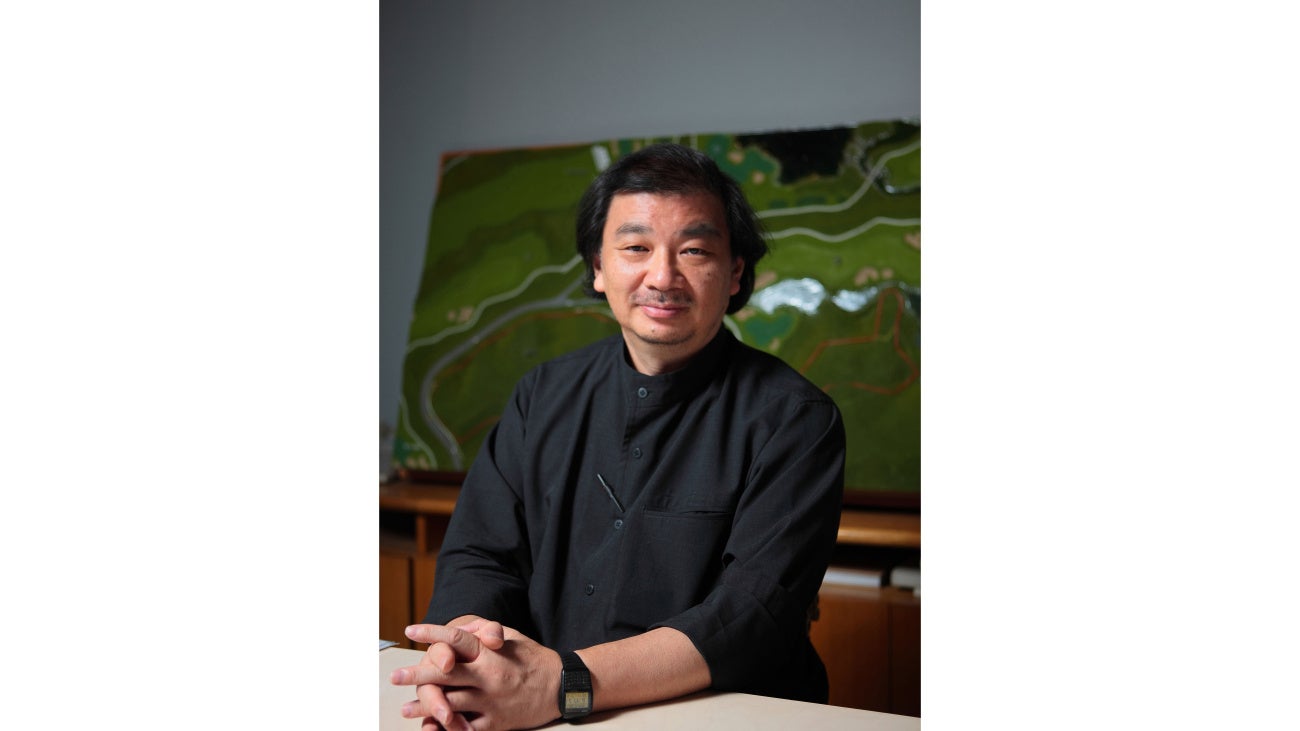
Shigeru Ban, the Japanese architect famous for turning cardboard into churches and shelters, just won the American Institute of Architects’ 2026 Gold Medal. The AIA announcement calls his career a reminder that architecture can build a fairer, greener world through clever structures, cheap recycled materials, and help for people in crises.
Tokyo Kid to New York Student
Ban was born in Tokyo on August 5, 1957. He grew up in a wooden house his family kept remodeling, which got him hooked on carpenters’ work. As a kid, he’d grab scrap wood to make stuff and dreamed of becoming one himself, the AIA release says.
In 1977, he headed to California to learn English and picked SCI-Arc, a new school then. By 1980, after four years there, he switched to Cooper Union in New York. Classmates included Dean Maltz, who later ran his New York office. Teachers like Ricardo Scofidio, Bernard Tschumi, and John Hejduk shaped him. Before his last year, he worked at Arata Isozaki’s Tokyo office, then got his architecture degree in 1984.
Back in Tokyo by 1985, Ban launched his own firm with zero client jobs under his belt. He curated shows at Axis Gallery for folks like Alvar Aalto— that’s where paper tubes first showed up, first for displays, then as real buildings.
Paper Tubes Change Everything
Ban’s big thing is everyday stuff like paper and wood turned into strong buildings. It started small to cut exhibition waste but grew into systems for everything from quick refugee housing to lasting spots. Dezeen points to the Cardboard Cathedral in Christchurch, New Zealand, as prime example—made mostly of paper tubes after an earthquake trashed the old one.
His early houses pushed boundaries: Curtain Wall House, Wall-Less House, Naked House. Bigger ones include the Centre Pompidou-Metz’s timber roof in France, Aspen Art Museum in Colorado, Cast Iron House in New York, and Tamedia Office Building in Switzerland.
Building for Disasters, Not Just the Rich
After the 1995 Kobe earthquake wrecked homes, Ban started the Voluntary Architects’ Network (VAN), a group that builds aid worldwide. They’ve done over 50 projects in 23 countries: paper log houses for refugees in Rwanda and Maui, privacy screens for Ukrainians. The New York Times covers his work responding to natural disasters. He got the Mother Teresa Award for it in 2017.
“Architect skills shouldn’t just go to the wealthy,” Ban figures. The AIA loves how he mixes that with teaching—over 30 years at places like Harvard, Cornell, and Columbia, getting students to build real VAN projects.
Why the Gold Medal?
This is the AIA’s top individual prize since 1907, for work that sticks in architecture’s theory and practice. Ban’s the fourth Japanese winner after Fumihiko Maki, Tadao Ando, and Kenzo Tange. Architectural Record notes his mass timber push and relief efforts. Archpaper quotes supporters like Tod Williams: Ban’s got energy, conviction, kindness, and work that fits AIA values.
Archilovers sums him as blending smarts, green thinking, and aid— from kid tinkerer to global fixer.
- Pritzker Prize: 2014
- Praemium Imperiale: 2024